


Does Sugar Cause Heart Disease? Rethinking Fat, Cholesterol and the Modern Diet

For much of our adult lives, we have been told a very simple story about heart disease. Eat too much fat, particularly saturated fat, cholesterol rises, arteries clog, and a heart attack follows. It is a neat and persuasive narrative. It is also incomplete and, in important ways, outdated.
Modern research suggests that heart disease is far less about a single nutrient such as fat, and far more about metabolic health. In particular, blood sugar regulation, insulin resistance, chronic inflammation and the dominance of ultra-processed foods appear to play a much greater role than we were once led to believe.
Why Fat and Cholesterol Became the Focus
Early dietary guidance around heart disease was shaped by observational studies linking saturated fat intake with raised LDL cholesterol. From there, fat became the primary dietary culprit, and low-fat eating was promoted as protective for heart health.
However, when researchers later examined what actually happened when people reduced fat intake, the benefits were modest. More importantly, when fat was replaced with refined carbohydrates and sugar, cardiovascular risk often failed to improve and sometimes worsened. Triglycerides increased, blood sugar control deteriorated, and insulin resistance became more common.
The issue was not simply fat. It was what people were encouraged to eat instead.

Does Dietary Cholesterol Really Matter?
Dietary cholesterol has also been shown to play a much smaller role in heart disease risk than previously thought. For most people, cholesterol consumed in foods such as eggs or shellfish has little effect on blood cholesterol levels.
The body tightly regulates cholesterol production, with the liver adjusting its output according to intake. As a result, much of the cholesterol circulating in the blood is produced internally rather than absorbed from food. This means that focusing on cholesterol intake alone can distract from more meaningful drivers of cardiovascular risk.
Does Sugar Increase the Risk of Heart Disease?
Sugar does not directly block arteries, but diets high in added sugar and refined carbohydrates significantly increase heart disease risk by disrupting metabolic health.
High sugar intake contributes to:
Insulin resistance
Elevated triglycerides
Fat accumulation in the liver
Chronic low-grade inflammation
These changes create the conditions in which atherosclerosis develops over time, even when cholesterol levels appear “normal”. This is why individuals can present with acceptable cholesterol results while still progressing towards cardiovascular disease.
Ultra-Processed Foods and Heart Health
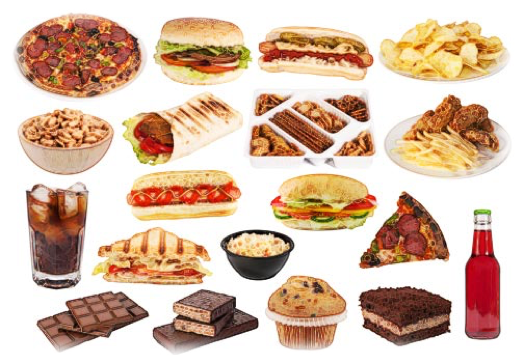
Ultra-processed foods add another layer to this problem. These foods are typically high in refined carbohydrates, added sugars, industrial seed oils, emulsifiers and flavourings, while being low in fibre and micronutrients.
Large population studies consistently show that higher intake of ultra-processed foods is associated with increased risk of heart disease and all-cause mortality. Likely mechanisms include poorer blood sugar control, increased inflammation, altered gut microbiota, disrupted lipid metabolism and increased calorie intake without adequate satiety.
A diet dominated by ultra-processed foods creates a metabolic environment that is far more hostile to heart health than one based on whole foods and natural fats.

Is Cholesterol Still Important?
Cholesterol is not irrelevant. Elevated LDL cholesterol is associated with increased cardiovascular risk, particularly in people with certain genetic patterns. However, cholesterol on its own tells only part of the story.
Markers that better reflect overall cardiovascular risk include:
Triglycerides
HDL cholesterol
Triglyceride to HDL ratio
Fasting glucose and HbA1c
Apolipoprotein B (apoB)
These markers provide insight into how well the body handles sugar and fat together, offering a more accurate picture of cardiometabolic health.
Heart Disease as a Metabolic Condition
If heart disease were being described for the first time today, it is unlikely that dietary fat would be identified as the primary cause. Instead, the focus would fall on a cluster of metabolic disturbances that repeatedly appear in those who develop cardiovascular disease.
These include chronically raised blood sugar and insulin levels, fatty liver, elevated triglycerides, low HDL cholesterol, weight gain around the middle, chronic inflammation and diets dominated by ultra-processed foods.
This reframing matters because it changes how we reduce risk. If fat were the problem, eating less fat would be the solution. If metabolic health is the issue, prevention becomes about stabilising blood sugar, improving insulin sensitivity, supporting liver health, building muscle, improving sleep and reducing inflammation.

What Does a Heart-Protective Diet Actually Look Like?
One of the most consistently supported dietary patterns for heart health is a Mediterranean-style diet. In practical terms, this means:
Eating mostly real, minimally processed foods
Prioritising vegetables, fibre and adequate protein
Choosing carbohydrates for quality, with wholegrains over refined options
Including healthy fats such as olive oil, nuts, seeds and oily fish
Reducing added sugars and ultra-processed foods
Lifestyle factors also play a critical role. Regular movement throughout the day, resistance training, consistent sleep patterns, stress management and avoiding smoking all support metabolic and cardiovascular health.

What This Means for You
Protecting heart health is not about avoiding butter or obsessing over cholesterol numbers. It is about creating the metabolic conditions in which the heart and blood vessels can function well.
Small, consistent changes towards real food, steadier meals, better sleep and regular movement compound over time. This approach not only reduces heart disease risk, but also improves energy, mood, weight regulation and blood sugar control, making it far more sustainable than advice built on fear and restriction.
My Invitation to YOU
If this article has raised questions about your own cholesterol, blood sugar or family history of heart disease, the next step is not drastic change, but clarity.
I offer a complimentary call to explore your current health picture and discuss whether personalised nutritional support would be appropriate. Book your health chat here.


Comments