


Chronic Bloating After Meals? Causes, Solutions and When to Seek Help

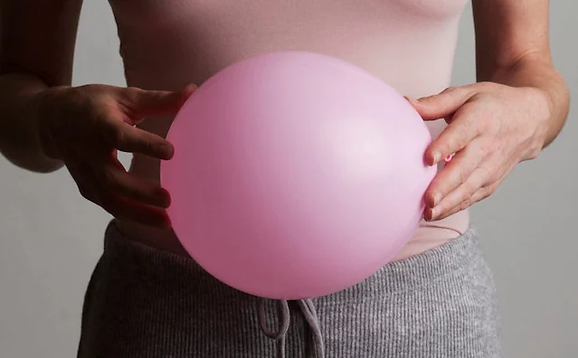
If you experience bloating regularly, you are not alone. Chronic bloating is one of the most common digestive complaints in the UK, particularly among women in midlife.
However, common does not mean normal.
Persistent bloating, especially bloating after meals or towards the end of the day, is a sign that digestion is not functioning optimally. It is not simply a sensitive stomach or something you should manage with restriction.
Bloating is feedback. The key is understanding what it is telling you.
What Is Bloating?
Bloating refers to a sensation of fullness, tightness or pressure in the abdomen. For some people there is visible distension. For others it is internal discomfort without obvious swelling.
It may occur:
After meals
Later in the day
Around the menstrual cycle
During periods of stress
Seemingly without clear cause
Occasional bloating after an unusually large meal can be normal. Regular bloating that affects confidence, clothing choices or food intake is not.

Why Chronic Bloating Happens
Bloating is rarely caused by a single food. It usually reflects disruption somewhere along the digestive process.
Impaired Digestion
Low stomach acid or reduced digestive enzyme output can prevent proper breakdown of protein, fats and carbohydrates. When food is not fully digested, it ferments in the gut, producing gas and pressure.
Chronic stress, ageing, and certain medications can all influence this.
Gut Microbiome Imbalances
An imbalance in gut bacteria can increase gas production and inflammation. In some cases, small intestinal bacterial overgrowth may be involved.
Sluggish Gut Motility
You can open your bowels daily and still have slow transit time. When stool moves slowly, fermentation increases, contributing to bloating and discomfort.
Hormonal Influences
Oestrogen and progesterone affect gut motility and fluid balance. Bloating that worsens before a period, during perimenopause or menopause is often hormonally influenced.
Stress and Nervous System Load
Digestion requires a parasympathetic state. When the body is in fight or flight mode, stomach acid production falls and gut movement slows. Over time, this creates the perfect environment for bloating.
Breathing and Posture
Shallow breathing patterns and abdominal tension can contribute to visible distension, particularly in individuals with functional gut disorders.

Bloating and Wider Health Symptoms
Digestive symptoms often sit alongside:
Fatigue
Brain fog
Headaches
Skin flare ups
Low mood
Sugar cravings
Frequent minor infections
These symptoms may share common drivers such as inflammation, blood sugar instability, or impaired nutrient absorption.
Addressing digestion can therefore improve far more than just abdominal comfort.
Why Cutting Foods Rarely Solves the Bloating Problem
Many people respond to bloating by removing dairy, gluten, fibre or entire food groups.
Short term elimination can have value. Long term restriction without investigation often reduces dietary diversity and increases anxiety around food.
Without understanding the root cause, you are guessing.
A structured, personalised approach is more effective and far more sustainable.

How a Functional Approach Can Help Bloating
In practice, I begin with a detailed symptom and health history. Patterns over time often provide important clues.
Where appropriate, functional testing may include:
Comprehensive stool testing to assess digestion, microbial balance and inflammation
Breath testing to explore bacterial overgrowth
Hormone testing if symptoms suggest a cyclical or menopausal component

Alongside this, we optimise foundations:
Meal structure and timing
Protein and fibre balance
Support for stomach acid and digestive enzymes where indicated
Stress regulation strategies
Movement to support gut motility
Blood sugar stability to reduce inflammatory load
When underlying drivers are addressed, bloating often reduces steadily rather than temporarily.

Frequently Asked Questions About Bloating
Is it normal to feel bloated every day?
No. Daily bloating suggests an underlying digestive imbalance. While common, it is not something you should have to accept long term.
Why do I wake up bloated before eating?
Morning bloating can be linked to overnight fermentation, constipation, hormonal shifts, or bacterial imbalance higher in the gut.
Could my bloating be hormonal?
Yes. Many women notice worsening symptoms pre-menstrually or during perimenopause. Hormonal fluctuations influence gut movement and fluid retention.
Should I cut out gluten or dairy?
Not automatically. Unless coeliac disease or a confirmed intolerance is present, removing foods without investigation can mask symptoms rather than resolve the cause.
When should I see a GP?
If bloating is persistent, worsening, associated with unexplained weight loss, blood in stool, persistent pain, or changes in bowel habit, medical assessment is important. Functional work complements, but does not replace, medical investigation.
You Do Not Have to Live With Chronic Bloating
Bloating is often tolerated for years. Many people assume it is simply how their body works.
In reality, persistent bloating is a sign that something needs attention.
With the right investigation and personalised support, meaningful improvement is possible.
Get in touch...
If you are struggling with bloating after meals, unpredictable digestion, or ongoing abdominal discomfort, I offer a free, no obligation health chat, where we can discuss your individual symptoms
You do not need to keep guessing.
Book your free call today and take the first step towards calm, comfortable digestion.
For more nutritional hints and tips, follow me on social media
Instagram - https://www.instagram.com/jdr_nutrition/



Comments